Gaëtan Dubois
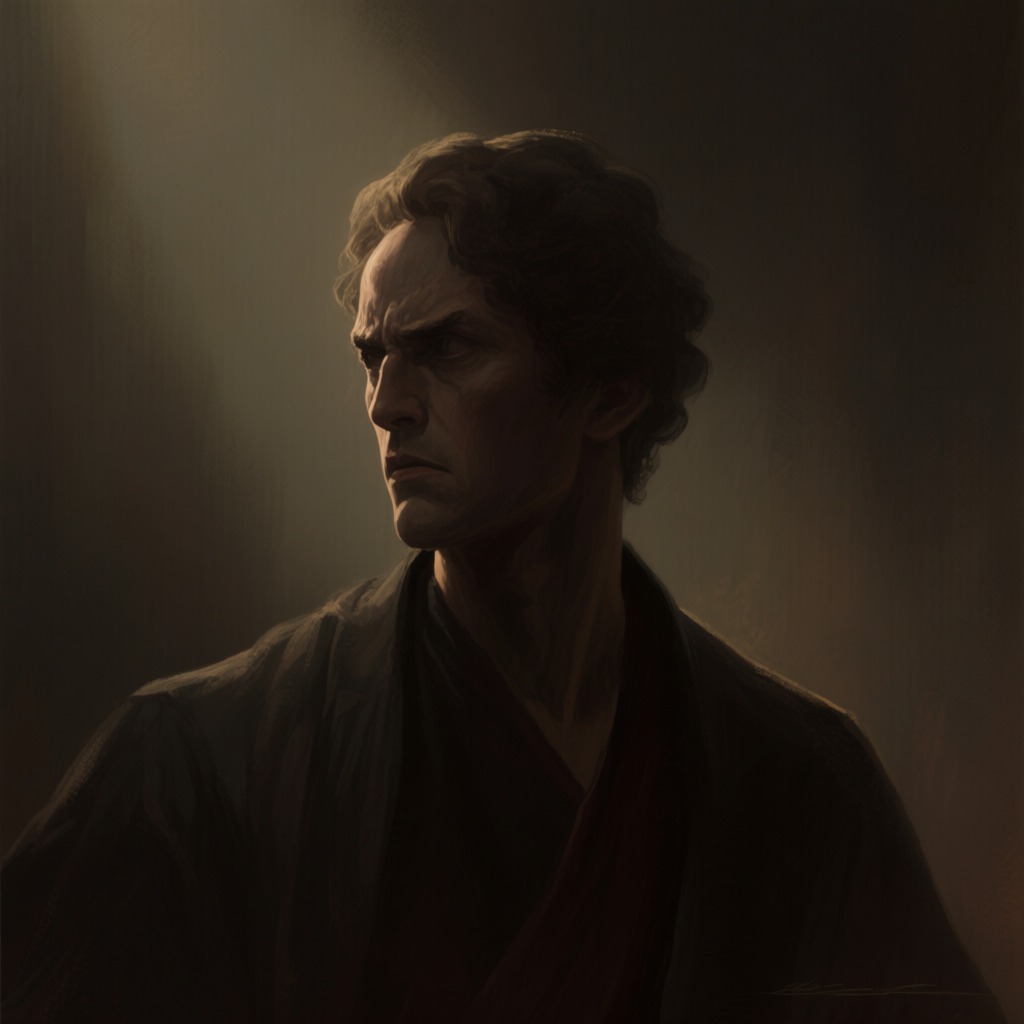
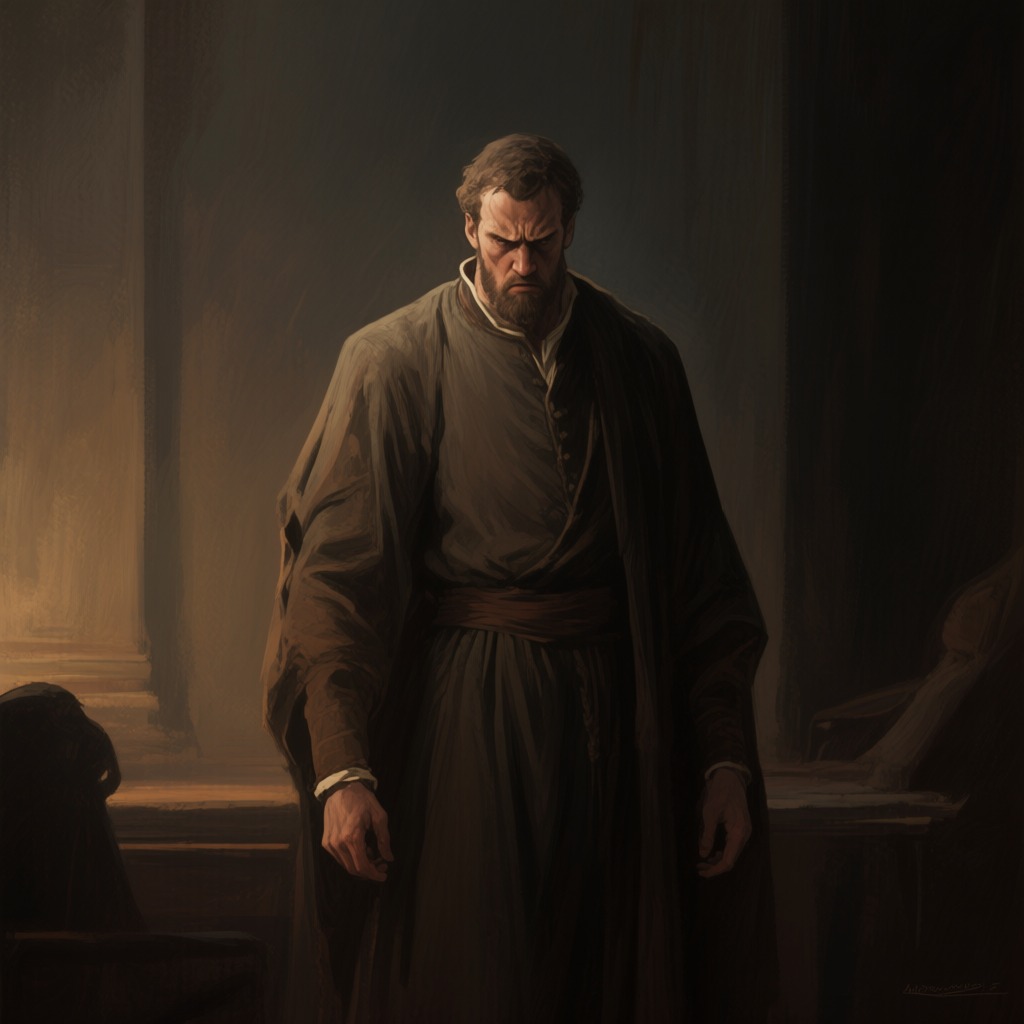
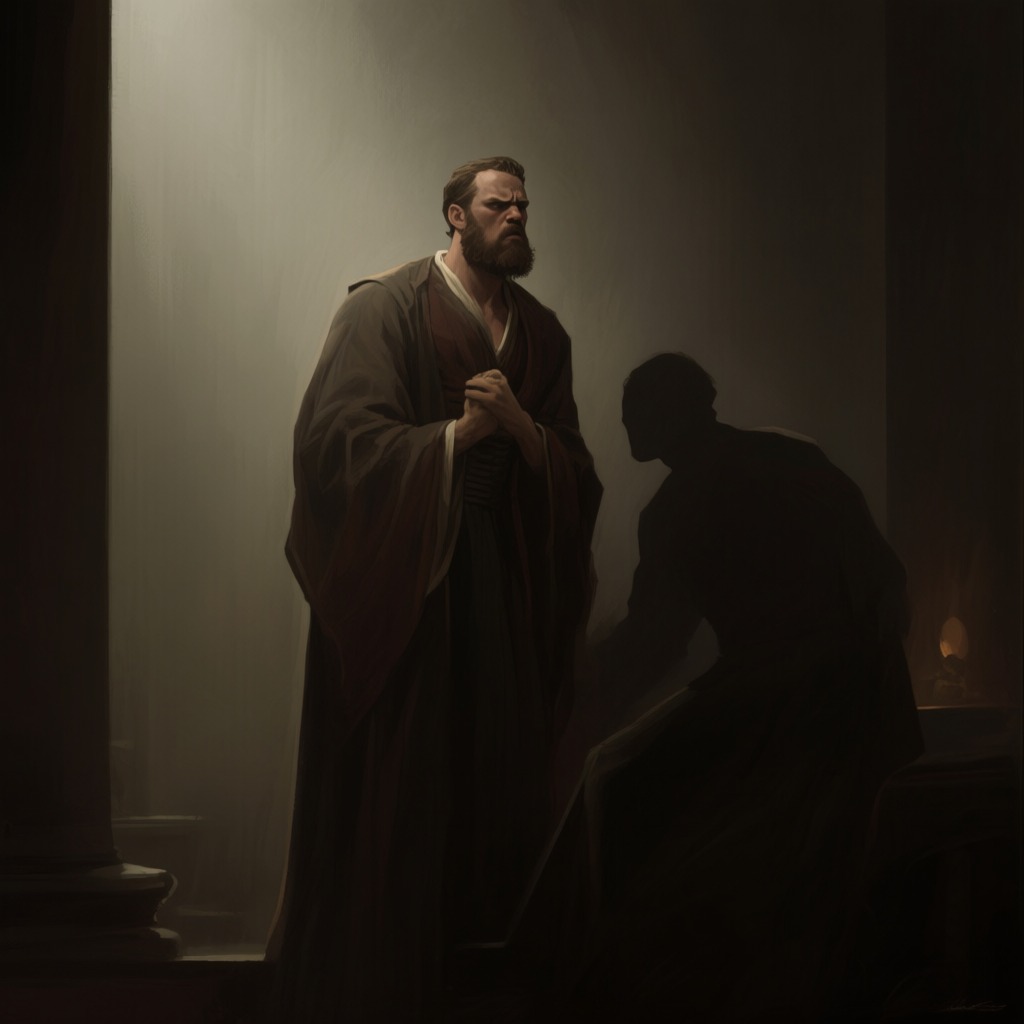
Gaëtan Dubois, a sharp-faced, lanky young man with deep-set gray eyes and a wolflike intensity, enters Isabelle Rossignol's life during the chaotic exodus from Paris in June 1940. He is a former political prisoner—a communist and a thief—released when the French opened the prisons rather than let the Germans have them. When Isabelle stumbles upon his campfire in the woods near Étampes, he is roasting a rabbit and offers her wine and food. Their first exchange is wary: she asks if he is a gentleman; he laughs and says, "I'm sure you do." But he also offers her something more: a chance to fight. "Come with me," he says, and though she knows better than to trust him, she accepts. He is the first person who looks past her beauty and sees her desire to matter.
Identity and Background
Gaëtan is defined by his poverty and his politics. He wears tattered, patched clothes and has the "pale, unwholesome look of someone who never knew where his next meal was coming from." His hair is longish, stringy, and black, unfamiliar with a comb or soap. He tells Isabelle he was in prison for taking things that did not belong to him, and when she asks if he is dangerous, he replies, "It depends. What do you think of communists?" He is a political prisoner, a man who stole not for survival alone but as a form of class warfare. His worldview is shaped by deprivation and anger, and he carries a rage that is barely contained. When he sees French soldiers retreating from the front, he attacks one, holding a knife to his throat, and Isabelle sees in his eyes "a rage so deep it scared her." He could kill; he almost does. But he also has a tenderness that emerges only with Isabelle. He carries her when she is too tired to walk, feeds her by hand, and, after the bombing at Tours that kills and maims hundreds of refugees, he pulls her into a stone church and covers her body with his own.
Arc Through the Plot: From Thief to Maquisard
Gaëtan's arc is one of escalating commitment to armed resistance. After the bombing at Tours, he changes: "anger and impotent rage erase the compassion in his eyes and the smile from his lips." He leaves Isabelle at Le Jardin with a note pinned to her bodice that reads "You are not ready," a rejection that wounds her deeply. He disappears into the resistance network, working with Paul Lévy's group in Paris. When Isabelle later joins the same network, she discovers that he has been watching over her from a distance, having recommended her to Henri Navarre. He is present at the meeting where she volunteers to lead downed airmen across the Pyrenees, and though he warns her of the danger, he does not stop her. By the time they meet again in the Maquis camp in the woods, he has become a guerrilla fighter, an explosives expert who lives in a dirty tent and carries a cyanide pill in his pocket. He tells her he is leaving Paul's group to fight "with guns" and "bombs," joining the Maquis du Limousin. His job is to derail trains, blow up munitions dumps, and disrupt German supply lines. He is no longer the cynical thief who offered her a rabbit; he is a soldier in a shadow war.
Relationships and Conflict: The Love That Cannot Be
The central relationship of Gaëtan's life is with Isabelle, and it is defined by separation and longing. He first kisses her in the pergola at Le Jardin, and she tells him she loves him. His response is to harden, to give her a "tight and false" smile, and to leave her the next morning with a note that says she is not ready. He does this, he later explains, because he wanted to forget her—because love in wartime is the most dangerous choice of all. When they meet again in Paris, he has been following her for months, watching over her, but he stays in the shadows. She calls out to him, and he finally appears, but he will not stay. "I should have stayed in that back room today," he says. "It's better not seeing you." Their relationship is a series of stolen moments: a kiss in the dark, a night in a safe house, a week in Brantôme after she is shot. Each time, they say good-bye. He tells her, "Every time we kiss, it's good-bye." She tells him she loves him; he says, "I love you, too," but only at the very end, when she is dying of typhus and pneumonia after Ravensbrück. He finds her at Le Jardin, and she is bald, toothless, skeletal. He takes her in his arms and says, "You're as beautiful as I remember." He stays with her until she dies, holding her hand.
Change and Ending: The Man Who Loved Her All His Life
Gaëtan survives the war. He attends the passeurs' reunion in Paris in 1995, where he meets Vianne. He is old now, stooped, with white hair to his shoulders, but Vianne recognizes his eyes. He introduces his daughter, named Isabelle. He leans close and kisses Vianne's cheeks, whispering, "I loved her all of my life." The novel does not show his death, but his presence at the reunion confirms that he carried Isabelle's memory for fifty years. He named his daughter after her. He never forgot.
Thematic Significance
Gaëtan embodies the novel's central tension between love and war. He is a man who believes that love is a liability, that it makes you vulnerable, and that the only way to protect someone is to push them away. But he also cannot stop himself from loving Isabelle. His arc shows that even in the most brutal circumstances, love persists—not as a sentimental ideal, but as a stubborn, painful, and ultimately redemptive force. He is also a figure of the French resistance's radical wing: a communist, a former criminal, a man who fights with bombs and lives in the woods. His story is a reminder that the resistance was not a unified, heroic movement but a collection of individuals with different motives, methods, and sacrifices.